A decade ago, a premium home was often associated with features such as marble finishes, modular kitchens and an on-site gym. Today's homebuyers, however, are beginning to look beyond conventional amenities and ask a different question: how intelligently can a home respond to their everyday needs? From lighting that responds to occupancy and doors that recognise authorised residents to connected appliances and automated climate controls, technology is increasingly influencing the modern residential experience. As luxury 3.5 BHK flats in Patia Bhubaneswar attract buyers who are increasingly familiar with digital technology, connected living is becoming an important consideration in the premium housing segment. This guide explains which smart features matter, how they change daily life, and, just as importantly, what to verify before taking any "smart home" label at face value.
Why Technology Now Shapes Luxury Homebuyer Expectations
Patia's proximity to Bhubaneswar's IT corridor makes it a relevant residential destination for professionals who regularly interact with digital platforms at work. Naturally, some of these expectations extend to their homes as well. If transport, banking and workplace activities can be managed through connected applications, buyers may also look for similar convenience in their residential environments. This changing preference is also influencing how flats in Patia are presented to prospective buyers. Smart lighting, intelligent access and home automation are increasingly becoming part of the conversation around premium residential offerings, particularly in larger configurations such as 3.5 BHK apartments in Patia Bhubaneswar.
There are practical reasons behind this growing interest as well. Dual-income households, frequent travel and hybrid working arrangements can leave homes unoccupied for extended periods, making remote monitoring, access management and automated controls particularly useful. For buyers comparing 3.5 BHK flats in Bhubaneswar, smart capability has become a convenience, a security layer and a resale differentiator at once.
What Smart-Home Features Should Buyers Look For in Luxury Apartments?
Buyers should look for features such as automated lighting, intelligent access systems, video door phones, smart temperature controls, connected appliance provisions, energy monitoring and remote home management. Ideally, these features should work through an integrated platform rather than operate as disconnected devices.
- Smart lighting and automated controls: scene-based lighting, occupancy sensing in passages and schedules that follow your routine.
- Intelligent access systems: digital or biometric main-door locks, guest access codes and entry logs.
- Video door phones: Allow residents to see and communicate with visitors from inside the apartment or through a connected phone, with access to entry records where the system supports this functionality.
- Smart temperature controls: air conditioning that follows schedules and geofencing instead of running all day
- Connected home appliances: Provision for compatible connections and communication protocols that allow appliances such as washing machines, water purifiers and selected kitchen devices to integrate with the home network.
- Energy monitoring: live and historical consumption data, ideally circuit by circuit
- Remote home management: one app for lights, locks, climate and cameras, usable from anywhere
- Integration readiness: support for common ecosystems so devices work together rather than in silos
In modern 3.5 BHK flats in Bhubaneswar, the integration of smart-home features can be more important than the total number of devices installed. A smaller set of features that communicates through a common platform may offer a more seamless experience than a larger collection of devices operating independently. This is worth considering when evaluating flats for sale in Patia Bhubaneswar.
How Does Home Automation Improve Everyday Residential Convenience?
Home automation can simplify several everyday tasks by allowing the home to respond to predefined routines and conditions. Lighting can switch on or off automatically, air conditioning can begin cooling before residents arrive, smart locks can provide door-status updates, and a central application can help manage connected devices without requiring residents to check every switch manually.
Picture an ordinary evening. You leave the office, and a geofence tells the air conditioner to begin cooling the bedroom. The entrance light switches on as you approach the door, and the smart lock allows access through the configured entry method. There is no need to search for keys while carrying grocery bags. After dinner, a single "night" command can dim the living room lights, lock the main door and activate the balcony sensor, provided these functions are integrated into the system. Before going to bed, residents can also check the status of connected devices through the application instead of manually inspecting every room. None of these is dramatic on its own; together they return minutes every day and remove a layer of background vigilance. For buyers considering a 3.5 BHK flat for sale in Patia Bhubaneswar, these small conveniences can collectively improve the everyday residential experience. However, their long-term value depends on system reliability, maintenance requirements, compatibility and the availability of future upgrades.
What Is the Difference Between a Smart Home and a Conventional Apartment?
A conventional apartment generally relies on manual controls for operating switches, locks and appliances. A smart home, on the other hand, incorporates sensors, connectivity and automated controls that allow selected functions to operate remotely or respond to predefined conditions. It can also provide status updates about connected devices, reducing the need for residents to check everything manually.
| Aspect | Conventional Apartment | Smart Home |
| Lighting | Manual switches only | Scenes, schedules, occupancy sensing |
| Entry | Metal keys; no record | Coded or biometric access with entry logs |
| Visitors | Peephole or intercom | Video door phone, answerable from anywhere |
| Climate | Switched on after arrival | Pre-cooled by schedule or geofence |
| Energy | Known only from the monthly bill | Live, circuit-wise consumption data |
| Remote monitoring | Limited remote visibility into household systems | Device status and alerts through connected applications, where supported |
The difference can become particularly noticeable when an unexpected situation arises, such as a door being left unlocked, an appliance remaining switched on or an unfamiliar visitor arriving. Depending on the connected devices and notification settings, a smart-home system can provide alerts and status updates that help residents respond remotely.
Isolated Gadgets Versus an Integrated Smart-Home Ecosystem
The distinction between a genuinely connected home and a collection of smart devices lies in how those devices communicate with one another. A smart bulb, a Wi-Fi plug and an app-controlled camera purchased separately may add convenience, but they do not necessarily create an integrated smart-home environment. If each device operates through a separate application or incompatible communication protocol, managing them together can become difficult. An integrated ecosystem works differently because compatible devices can communicate through a common platform and trigger predefined responses. For example, unlocking the main door can activate the entrance lighting, while a configured departure routine can switch off selected devices and arm the security sensors with a single command.
Builders can contribute significantly to integration by planning the necessary infrastructure during the construction stage. This may include suitable wiring at switch points, conduit provisions for sensors, video door phone infrastructure and network connectivity across the apartment. Retrofitting certain infrastructure elements into a completed apartment can involve additional work, cost and disruption. This is why buyers evaluating 3.5 BHK apartments in Patia Bhubaneswar should consider the property's automation readiness rather than focusing only on the number of smart devices included in the package. For buyers comparing premium residential builders in Bhubaneswar Odisha, it is worth understanding whether smart-home infrastructure has been considered during the design and construction stages or whether automation is limited to devices added closer to handover.
Are Smart-Home Systems Easy to Upgrade Over Time?
Smart-home systems are generally easier to upgrade when the underlying wiring and network infrastructure are adequate and the platform supports widely adopted communication standards. Individual devices, such as bulbs, locks and sensors, can often be replaced without changing the entire system. However, upgrades may become more complicated when a home relies on a proprietary platform with limited compatibility with newer devices.
Smart-home technology continues to evolve, which makes long-term compatibility an important consideration during a property purchase. Instead of focusing only on how advanced the installed devices are today, buyers should also ask how easily the system can accommodate newer technologies and devices in the future. Three elements can support long-term upgradeability: adequate wiring and conduit provisions, reliable whole-home network coverage, and compatibility with widely adopted communication standards. While individual devices may need replacement over time, well-planned infrastructure can make future upgrades easier. A sensibly provisioned 3.5 BHK flat for sale in Patia Bhubaneswar can keep pace with future device upgrades through individual replacements, while a closed system built around a single vendor's hub may face compatibility limitations as technology evolves.
What Should Buyers Verify Before Assuming a Home Is Truly Automated?
The term "smart home" may appear prominently in property brochures, but the actual features and provisions should always be confirmed through the project's specification sheet. Before making a decision, consider the following questions:
| Question to Ask | Why It Matters |
| What exactly is included in writing? | The specification sheet, not the brochure, defines what you get. |
| Which features are standard versus paid add-ons? | "Automation-ready" often means provisioning only. |
| Is there one integrated platform or separate device apps? | Integration is the difference between smart and gadget-equipped. |
| What happens during internet or power outages? | Good systems keep core functions working locally. |
| Who maintains the system, and what does it cost annually? | AMC terms reveal how serious the automation really is. |
| Can the demo flat show the features working? | A live walkthrough beats any feature list. |
Apply this checklist to every project you shortlist among flats for sale in Patia Bhubaneswar, including the most premium ones. A developer should be able to explain the automation features, infrastructure provisions and maintenance arrangements clearly. If certain details are unavailable, ask for written clarification before treating them as confirmed project features. A project offering automation-ready provisions instead of pre-installed devices should not necessarily be viewed negatively. What matters is whether the wiring, network infrastructure and platform compatibility allow buyers to add suitable devices and expand the system later. This diligence matters most at the premium end, where 3.5 BHK apartments in Patia Bhubaneswar carry automation promises in nearly every brochure.
How Modern Developments Like ZX Atulyam Respond to Technology-Oriented Living
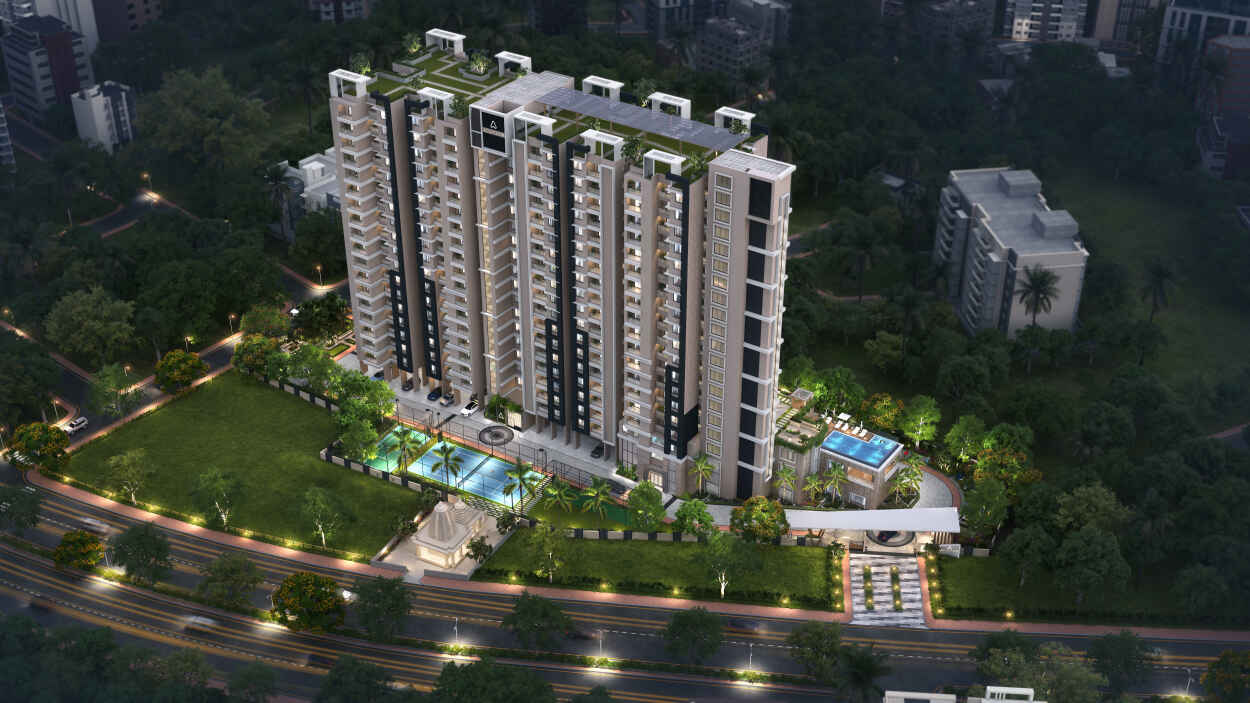
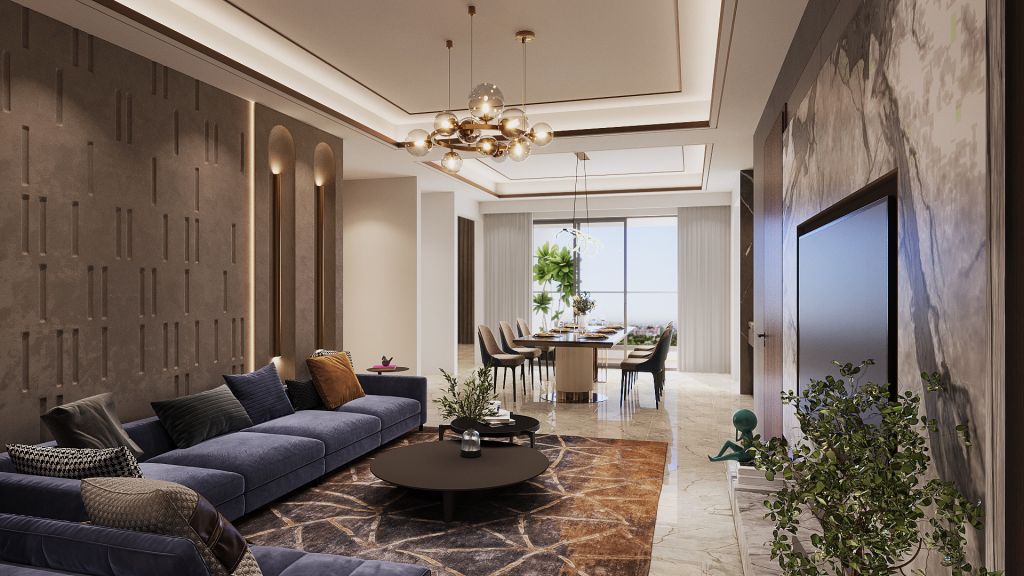
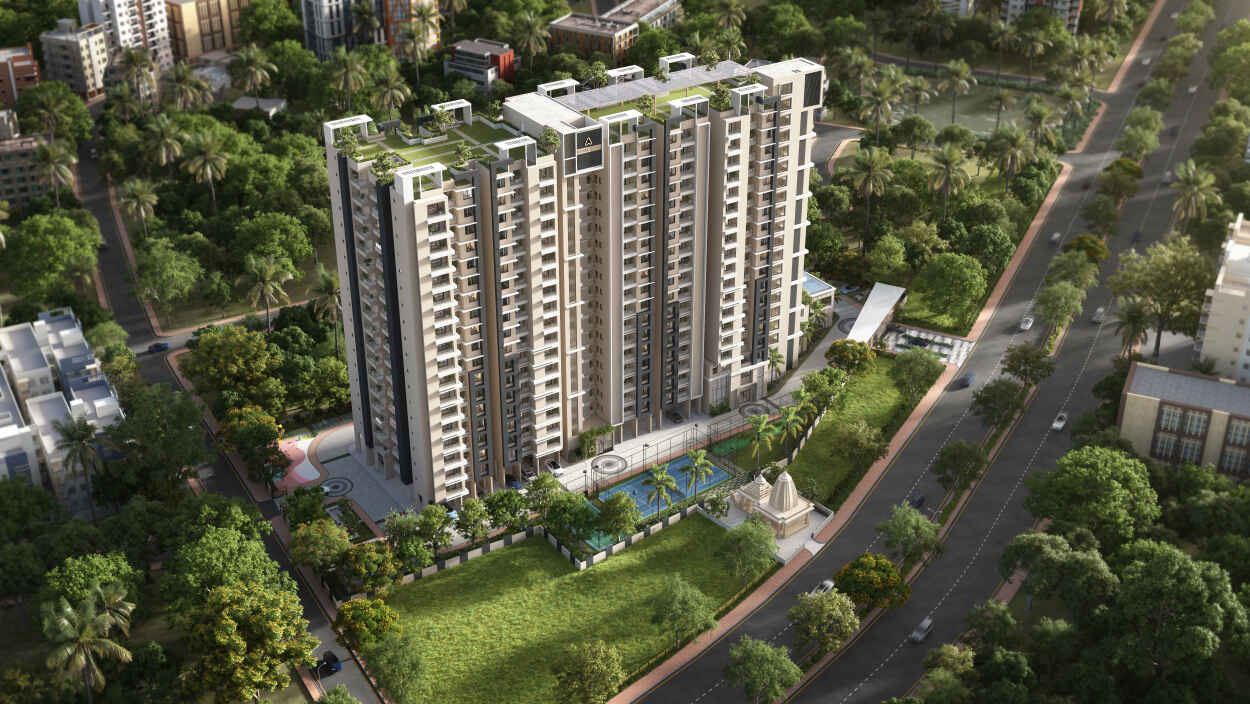
ZX Atulyam, located at Raghunathpur near Patia, brings an architect-led perspective to contemporary residential planning. The project is associated with practising architects Ar. Jyoti Shankar Ray, Ar. Sagarendra Mohapatra and Ar. Sabyasachi Mohanty, alongside co-founders Gauranga Charan Barik and Satya Prakash Barik. Its Absolute Zero philosophy centres on origin, purity and possibility, with an emphasis on purposeful planning, natural light, ventilation and openness rather than relying solely on an accumulation of features.
This emphasis on purposeful planning provides a useful context for evaluating technology-oriented residential design. For buyers comparing premium residential builders in Bhubaneswar Odisha, the important consideration is whether the underlying infrastructure can accommodate present-day requirements as well as future technological upgrades, rather than simply how many devices are included. This design approach is also reflected in the project's single-tower planning, which comprises 176 residences in 3.5 BHK and 4.5 BHK configurations.
For technology-minded buyers evaluating ZX Atulyam, the same checklist discussed in this guide can be applied during the buying process. Review the specification sheet, clarify which features are already installed and which are provided only as infrastructure provisions, and request a demonstration of the available systems in the sample residence.
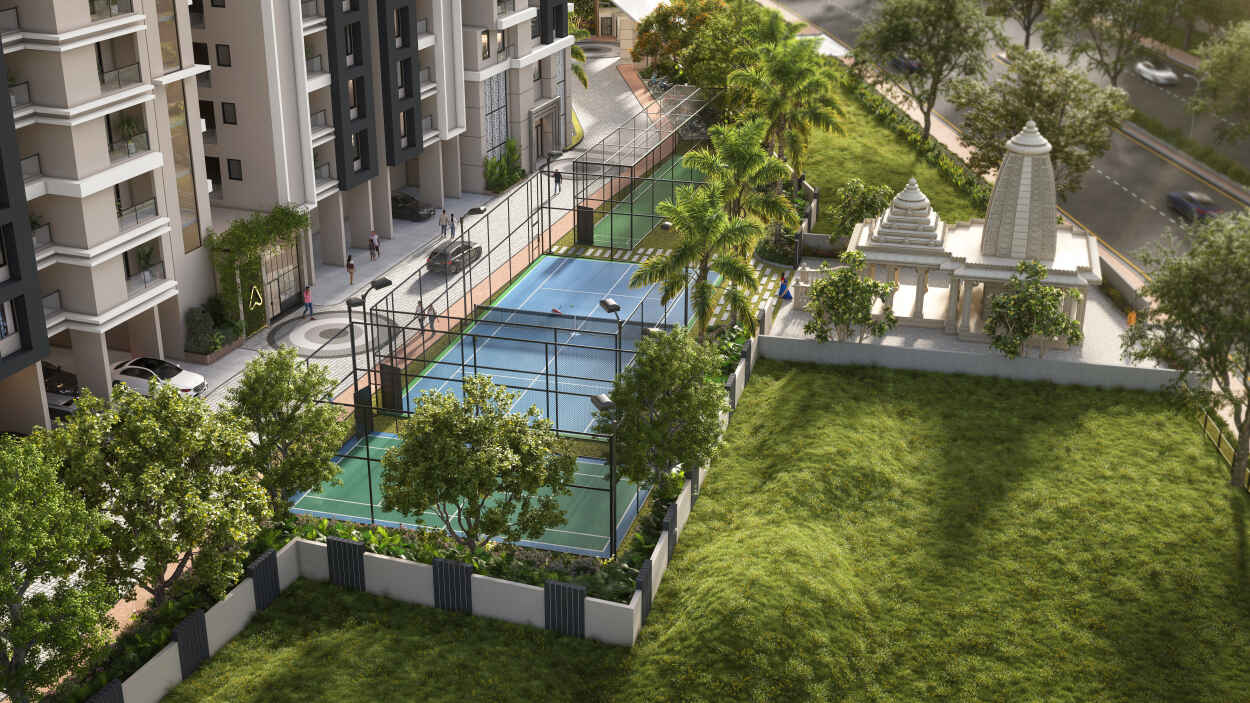
The luxury lifestyle at ZX Atulyam extends beyond individual residences to include a clubhouse of around 30,000 sq. ft. and landscaped grounds. Buyers can also discuss the project's residential planning with its architect-led team to better understand how the homes are designed to address present-day requirements and future living needs.
Conclusion: Buy the Infrastructure, Not the Buzzword
Connected living is becoming an increasingly relevant consideration in premium residential planning, particularly for buyers exploring luxury 3.5 BHK flats in Patia Bhubaneswar. A practical buying approach is to prioritise integration over the number of devices, verify every claim against the specification sheet, and evaluate the underlying infrastructure, including wiring, networking and compatibility with widely adopted standards. These elements can make it easier to maintain and upgrade a smart-home system over time. As technology becomes a more prominent consideration in the residential market, buyers exploring flats in Patia may encounter an increasing range of automation-related features. Homes with well-planned infrastructure and upgrade-friendly systems may be better equipped to accommodate these developments than properties relying on isolated devices or technology with limited compatibility.
Whether you are considering the luxury lifestyle at ZX Atulyam or evaluating another residential development, apply the same checklist to every shortlisted property. A home with suitable infrastructure, reliable integration and upgrade-friendly provisions is better positioned to accommodate changing technology needs over time.
Frequently Asked Questions
Q1. What smart-home features add the most value to an apartment?
Automated lighting, intelligent access systems, video door phones and remote climate controls can offer considerable everyday convenience. Energy monitoring and integrated home management can provide additional benefits by helping residents monitor connected devices and manage household energy consumption. The most useful features depend on the household's requirements and how well the devices work together.
Q2. What is the difference between a smart home and a conventional apartment?
A conventional apartment generally relies on manual controls for operating lights, locks and appliances. A smart home uses connected devices, sensors and automated controls to manage selected functions remotely or through predefined routines. It can also provide device-status updates and alerts through connected applications, depending on the system installed.
Q3. How much does it cost to install a smart-home system in an apartment?
The cost depends on the number of devices, the level of automation, the communication platform and whether the apartment already has suitable wiring and network infrastructure. Basic installations involving smart bulbs and plugs generally require fewer modifications than integrated systems involving intelligent access, sensors, climate controls and centralised management. Buyers should request a detailed specification and installation-cost breakdown before making a decision.
Q4. How can I identify whether an apartment project offers genuine home automation?
Ask for the detailed specification sheet and confirm which features are installed, which are included as standard and which require additional payment. Check whether the devices operate through an integrated platform, request a live demonstration and enquire about maintenance arrangements. Also distinguish between an automation-ready apartment and one with fully installed smart-home features.
Q5. Are smart-home systems safe and secure to use?
Smart-home systems can improve access monitoring and provide useful security alerts, but their safety also depends on device quality, software updates, network protection and access permissions. Buyers should check whether devices support secure authentication, receive regular updates and allow residents to manage connected accounts and permissions. A connected system should complement, rather than replace, essential physical security measures.
Q6. Can I install smart-home features in an apartment after possession?
Yes. Individual devices such as smart bulbs, plugs, cameras and compatible locks can often be installed after possession. However, more extensive automation may require additional wiring, conduits, networking and integration work. Buyers should therefore check the apartment's automation-ready provisions before purchasing if they intend to expand the system later.
Q7. How can I ensure that a smart-home system remains upgradeable in the future?
Check whether the system supports widely adopted communication standards, compatible devices and software updates. Adequate wiring, conduit provisions and reliable network coverage can also make future upgrades easier. Avoid relying entirely on a proprietary platform without understanding its compatibility limitations and long-term support arrangements.
Q8. Do smart-home systems work during internet outages?
Some smart-home functions can continue operating locally through the home's network even when the internet connection is unavailable. However, remote access, cloud-dependent automation and external notifications may stop working until connectivity is restored. Ask the developer or system provider which features operate locally and which depend on an active internet connection.
Q9. Are flats in Patia suitable for technology-oriented homebuyers?
Patia's proximity to Bhubaneswar's IT corridor makes it a relevant residential location for professionals working in technology-oriented sectors. Buyers considering flats in Patia should evaluate not only the location but also the apartment's connectivity provisions, security arrangements, automation readiness and scope for future upgrades.