For many families in Odisha, a home search runs on two parallel tracks. One track is practical: budget, carpet area, daylight, ventilation and commute. The other is cultural: the Vastu preferences passed down through the family, from the direction of the entrance to the corner where the kitchen should sit. If you are evaluating a 3 BHK flat for sale in Patia Bhubaneswar, the challenge is not choosing between these two priorities but finding a balance between them. Unlike an independent house, an apartment comes with a largely fixed layout that cannot easily be redesigned to accommodate every preference.
This guide explains which Vastu considerations buyers commonly evaluate, how to check a floor plan against them, what to do when a preference conflicts with the plan, and where traditional belief ends and measurable building performance begins.
Why Vastu Still Influences Apartment Decisions in Bhubaneswar
Vastu Shastra is a traditional Indian system of architectural guidelines that links directions, elements and room placement. For many buyers exploring a flat for sale in Patia Bhubaneswar, Vastu remains an emotional and cultural priority and, in some cases, a family requirement, even if the buyer does not personally place much importance on it.
It is worth being clear at the outset: Vastu is a matter of tradition and personal belief, not a scientifically proven system. Some Vastu guidelines overlap with practical principles of climate-responsive design, such as making use of morning light from the east. However, claims linking particular directions to prosperity or fortune cannot be established through building science. Treating Vastu as a preference, rather than as a guarantee, keeps your decision balanced.
What Vastu Considerations Do Buyers Commonly Evaluate in a 3 BHK Flat for Sale in Patia Bhubaneswar?
Buyers assessing a 3 BHK flat for sale in Patia Bhubaneswar on Vastu grounds most often check the direction the main entrance faces, the kitchen's corner, and the master bedroom's position, the location of the pooja space, the placement of toilets, and whether the centre of the home stays relatively open.
- Main entrance: north, east or north-east facing doors are traditionally preferred
- Kitchen: the southeast corner is the classic preference, with the west as a common alternative
- Master bedroom: the south-west zone is traditionally favoured for the head of the family
- Pooja space: the northeast is considered ideal; many buyers accept a clean, quiet niche instead
- Toilets: buyers typically prefer them away from the northeast and the kitchen's immediate vicinity
- Centre of the flat: an uncluttered central zone is traditionally valued
In 3 BHK flats in Bhubaneswar, having three bedrooms can give families greater flexibility. Even if the designated master bedroom is not in the south-west zone, another bedroom may be located there, allowing the family to reconsider how the rooms are used.
How Can Buyers Assess a Flat's Entrance and Room Arrangement Against Their Vastu Preferences?
To assess a flat against your Vastu preferences, request a floor plan with a north arrow and use a compass during the site visit to check the entrance's orientation. You can then map the rooms against the directions shown on the plan rather than relying solely on verbal assurances. A quick on-site check can help clarify the orientation more effectively than a lengthy discussion alone.
Start with orientation. Mark true north on the plan, then note which direction the entrance faces and which corner each room occupies. Walk the actual unit, not just the sample flat, because the same tower can hold units facing different directions. Reputed luxury residential developers in Bhubaneswar may provide detailed, dimensioned floor plans early in the buying process, making it easier to assess room orientation. If a floor plan is not readily available, ask the developer when it can be shared and whether it includes a north arrow. Also consider the flat's position on the floor plate. Corner units may have two open sides, depending on the building design and surrounding obstructions, which can influence daylight and cross ventilation as well as how buyers interpret the layout against their Vastu preferences.
What Should Buyers Do When a Vastu Preference Conflicts With the Available Floor Plan?
When a preferred Vastu arrangement conflicts with the floor plan, rank your preferences into non-negotiables and adjustables, explore interior-level adjustments for the flexible ones, and never trade away daylight, ventilation or everyday usability to satisfy a minor directional preference.
An apartment is a fixed product. Walls, plumbing and the entrance cannot move, and structural alterations are usually barred by the society and unwise for the building. Many interior elements can be adjusted without altering the apartment's structure. Practitioners commonly suggest repositioning the bed, placing the pooja niche in the most suitable available location, reconsidering where heavier storage is placed, or changing a room's function—for example, using a north-east bedroom as a study. Families considering a 3bhk flat in Patia Bhubaneswar who identify one or two genuine non-negotiables, such as the entrance direction and kitchen location, may find it easier to identify suitable options. By contrast, buyers with a long list of rigid requirements may find it harder to find an existing apartment that meets every preference. If Vastu is central to your decision, involve your family's trusted advisor early, at the shortlist stage, rather than after booking.
How Can Vastu Preferences Be Balanced With Ventilation, Accessibility and Practical Room Use?
A useful principle is to prioritise measurable comfort while considering directional preferences wherever practical. The most suitable home is one that accommodates both without compromising everyday usability. Cross ventilation, daylight hours, accessibility for elders and a workable kitchen affect your family every day in ways you can feel and verify, so no Vastu adjustment should come at their cost.
| Vastu Preference | Practical Check to Pair With It |
| North or east entrance | Does the lobby approach stay well lit and step-free for elders? |
| South-east kitchen | Is there an external window, an exhaust path and a utility connection? |
| South-west master bedroom | Does the room still receive usable daylight and a cross-breeze? |
| North-east kept light and open | Do windows on that side actually open to air, not a shaft? |
| Open central zone | Does the passage stay wide enough for furniture and wheelchairs? |
In many cases, traditional preferences and practical design considerations can complement each other. A south-east kitchen with an east-facing window, for example, can receive morning light during the early part of the day. Similarly, a 3bhk flat in Patia Bhubaneswar with openings on the north and east may benefit from natural daylight, depending on the surrounding buildings, window sizes and actual orientation, while also aligning with common directional preferences. When they do collide, let the measurable factor win and address the preference through interior planning.
Belief Versus Building Performance: What Is Measurable and What Is Traditional
It helps to sort every claim you hear into two boxes. Factors such as the sun's path, prevailing wind direction, daylight penetration, heat gain through west-facing walls and air movement within a flat can be assessed using appropriate design information and site observations. These factors can influence indoor comfort and energy use, although their actual effects depend on the building's design and surrounding conditions. Associations between directions and prosperity, health or harmony belong to tradition and personal faith; they deserve respect as preferences, but no sales pitch should present them as proven outcomes.
This distinction helps you avoid two common pitfalls. You are less likely to reject an otherwise suitable home over a minor traditional preference, and you are less likely to let the label "Vastu-compliant" distract you from poor ventilation or an awkward layout in 3 BHK flats in Bhubaneswar. Ask for the evidence behind every measurable claim, and reserve the traditional ones for your own judgement.
Do Vastu-Aligned Layouts Affect Resale Value in Bhubaneswar?
Vastu alignment does not, by itself, determine a building's physical performance, but it may influence the pool of prospective buyers. If some buyers in the local market consider entrance direction and kitchen placement when shortlisting properties, a flat for sale in Patia Bhubaneswar that aligns with common Vastu preferences may appeal to a broader resale audience. Treat this as a demand-side consideration, one factor among location, construction quality and documentation, rather than a promise of appreciation.
How ZX Atulyam Approaches Orientation and Layout
ZX Atulyam, located at Raghunathpur near Patia, brings an architect-led perspective to contemporary residential design. The project brings together practising architects Ar. Jyoti Shankar Ray, Ar. Sagarendra Mohapatra and Ar. Sabyasachi Mohanty, alongside co-founders Gauranga Charan Barik and Satya Prakash Barik. At the heart of its design philosophy is Absolute Zero—the idea of beginning with a clear foundation, free from unnecessary constraints and open to new possibilities. This philosophy centres on three principles: origin, purity and possibility. These translate into an emphasis on purposeful planning, natural light, ventilation, proportion, privacy and spaces that support human comfort.
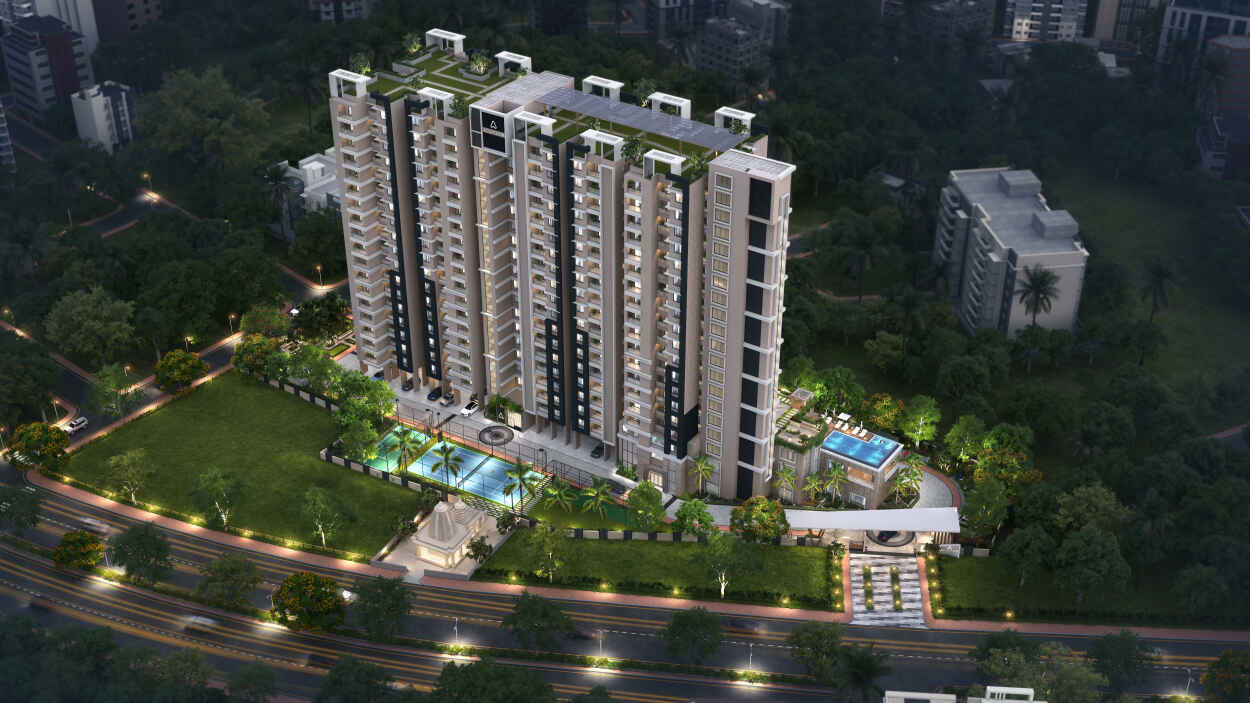
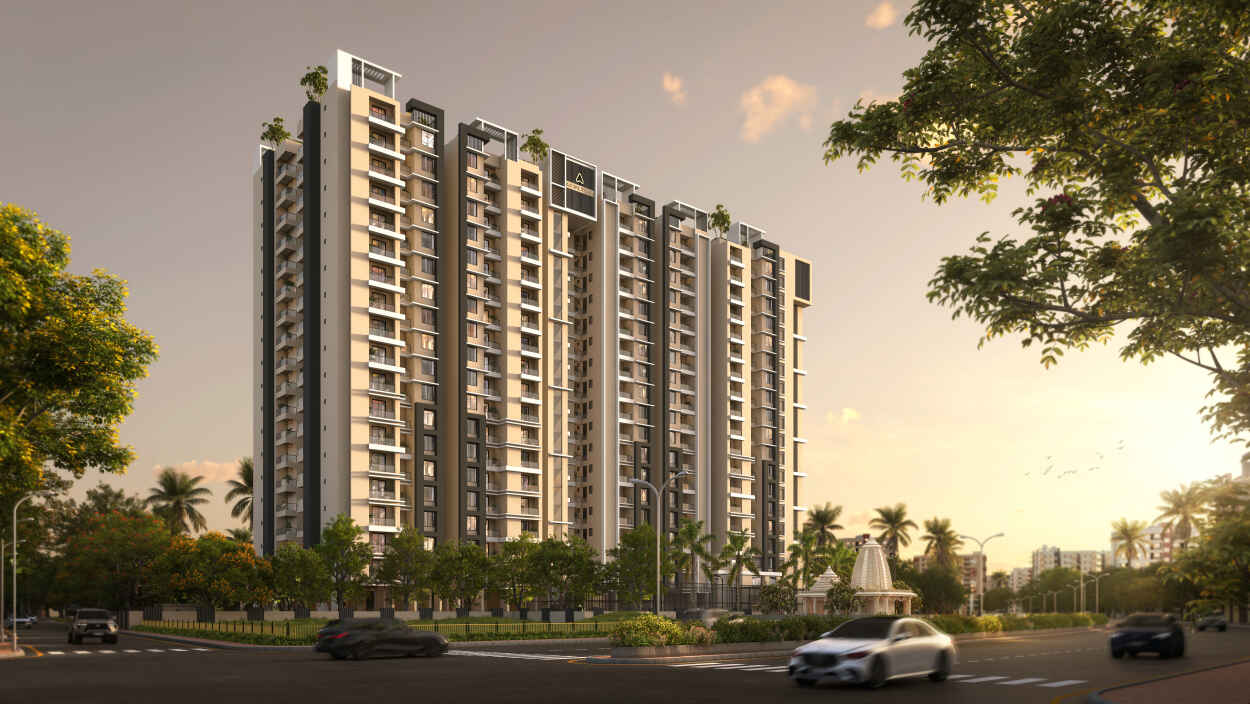
For buyers evaluating a 3 BHK flat for sale in Patia Bhubaneswar, this approach offers a useful perspective when balancing Vastu preferences with everyday practicality. The premium apartments at ZX Atulyam are planned within a single tower set amid open, landscaped surroundings, with an emphasis on daylight, cross ventilation and considered spatial planning. Rather than relying on broad claims about orientation, buyers can review the available floor plans, identify the actual direction of the entrance and individual rooms, and assess how the layout aligns with their preferences. A discussion with the project team can help clarify these design considerations before booking, allowing buyers to weigh traditional preferences alongside the practical qualities that shape everyday living.
Conclusion: Let Preference and Performance Shake Hands
Vastu is part of how many Odia families approach the idea of a home, and it deserves an honest place in your evaluation—alongside daylight, ventilation and everyday usability, rather than at their expense. When shortlisting a 3 BHK flat for sale in Patia Bhubaneswar, use a compass, a floor plan and a clear list of your non-negotiable preferences. Consider whether flexible preferences can be accommodated through interior planning, and measurable claims can be assessed using appropriate evidence. Homes such as the premium apartments at ZX Atulyam show that thoughtful orientation and modern planning can sit comfortably together. When tradition and performance finally point to the same door, you will know you have found the right one.
Frequently Asked Questions
Q1. Is Vastu scientifically proven?
No. Vastu Shastra is a traditional Indian system of architectural guidelines, not a scientifically validated method for predicting prosperity or fortune. Some of its preferences may overlap with practical design considerations, such as daylight and ventilation, but traditional beliefs should be distinguished from measurable building performance.
Q2. Which entrance direction is preferred according to Vastu for an apartment?
North, east and north-east-facing entrances are traditionally preferred by many Vastu-conscious buyers. Since an apartment's entrance is generally fixed, confirm its actual orientation using the floor plan and a compass during your site visit rather than relying solely on the property's marketing material.
Q3. Which room placements are commonly considered in Vastu for a 3 BHK flat?
Common Vastu considerations include a south-east kitchen, a south-west master bedroom, a north-east pooja space and an entrance facing a traditionally preferred direction. Buyers may also consider toilet placement and whether the centre of the home remains relatively open. These are traditional preferences, and the available layout will determine which can be accommodated.
Q4. How can I check the Vastu orientation of a 3 BHK flat for sale in Patia Bhubaneswar?
Request a dimensioned floor plan with a north arrow, use a compass to check the entrance's orientation during the site visit, and identify the direction of each room. Inspect the actual unit you intend to purchase, as orientations and layouts can differ between apartments in the same building.
Q5. What should I do if a flat's layout does not match my Vastu preferences?
Identify your essential preferences and distinguish them from those you can accommodate through interior planning. Depending on the layout, you may be able to reposition furniture, adjust storage or use a bedroom as a study. Avoid structural alterations without the necessary approvals, and do not compromise essential daylight, ventilation or accessibility to meet a minor directional preference.
Q6. What matters more when choosing a flat: Vastu or ventilation?
Both may matter to a buyer, but ventilation, daylight and everyday usability should remain important practical considerations because they affect the home's living conditions. Evaluate these factors using the actual layout, windows, surrounding obstructions and site conditions, then consider how well the apartment accommodates your Vastu preferences without sacrificing comfort.
Q7. Does Vastu alignment affect the resale value of a flat in Bhubaneswar?
Vastu preferences may influence which properties some prospective buyers consider, potentially affecting the size of the resale audience. However, Vastu alignment alone does not guarantee a higher resale price or appreciation. Location, construction quality, documentation, maintenance and prevailing market demand also matter when evaluating a property's resale potential.